Woodpeckers in Your Alaska Home? Understand Damage, Prevention, and What the Law Says
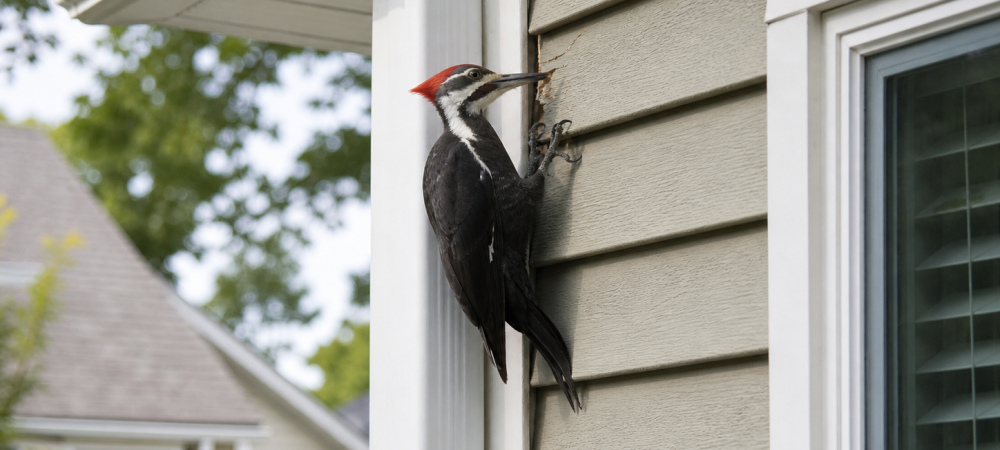
You hear drumming on your siding. Then again. Then a hole appears. In Alaska, that bird is almost certainly protected by federal law — and how you respond matters.
What You Need to Know
- All 7 of Alaska's woodpecker species are protected under the Migratory Bird Treaty Act of 1918 — trapping or harming them without a federal permit is illegal.
- Woodpecker damage often signals an underlying insect problem inside your siding, not just a territorial bird.
- Legal, professional exclusion options exist, but timing is critical, and early action produces better results.
The sound of a woodpecker working your siding is hard to ignore. By the time you notice the first hole, the bird may have been at it for days. In Alaska, hairy woodpeckers, downy woodpeckers, and northern flickers are among the species most likely to target homes. All of them fall under federal protection, so your options aren't as simple as they might seem at first.
How Much Damage Can a Woodpecker Really Do?
More than most homeowners expect. Homes sided with cedar, rough-sawn plywood, or natural wood are particularly vulnerable, and a single bird can work through a stretch of siding in just a few days. Damage often starts as a row of small holes and escalates to larger excavation cavities near eaves or trim boards. Woodpecker activity can compound the problem by creating entry points other species will exploit.
Why Is the Woodpecker Targeting My Home?
Woodpeckers target structures for three main reasons: they're searching for insects inside the wood, they're excavating a nesting cavity, or they're drumming to establish territory. Holes arranged in neat rows, roughly 1/2 inch in diameter, typically indicate the bird is going after insect larvae. In our experience, homes close to spruce forest see the most activity, and the insect issue inside the siding needs to be addressed alongside any bird deterrent strategy.
Warning Signs of Woodpecker Activity
Most woodpecker damage is identifiable once you know what to look for. Here's what to check for:
- Rows of small holes (roughly 1/2 inch diameter) drilled through siding or plywood
- Larger, deeper holes near eaves, trim boards, or window casings
- Loud, repetitive drumming on siding, metal gutters, or downspouts
- Sawdust or wood debris on the ground below the damaged area
- Visible gaps where insulation may be exposed or other birds are entering
Larger, irregular holes near the eaves or trim typically indicate nesting rather than foraging. Once a bird has established a nesting cavity, the problem is unlikely to resolve without direct intervention. Knowing what options you have legally is the right place to start.
What Can You Legally Do on Your Own?
There are several different bird repellent approaches that are legal and can be effective when applied early. Research published in peer-reviewed studies found that reflective iridescent tape (Irri-Tape) suspended from eaves produced the greatest reduction in woodpecker damage among tested methods. Some other options include bird netting installed 3 to 5 inches from the siding, motion-activated noise devices, and pinwheels or reflective objects that move in the wind.
The key is to start before the behavior becomes routine and to rotate deterrents so the bird doesn't habituate to them. Avoid sticky gels or tactile repellents. The U.S. Fish and Wildlife Service advises against these because they can impair flight and the bird's ability to thermoregulate.
One thing is completely off-limits: harming, trapping, or relocating woodpeckers without a federal depredation permit. Doing so violates the Migratory Bird Treaty Act and can result in significant fines. Depredation permits are only issued after non-lethal methods have been tried and documented as insufficient.
When Should You Call a Professional?
If DIY deterrents haven't resolved the problem, or if you're dealing with an active nest, professional help is the practical next step. A licensed bird control company can determine what's drawing the woodpecker to your home, whether that's insects inside the wood or an accessible cavity, and install exclusion materials to the correct specifications.
If insects inside the siding are part of the problem, that issue needs to be treated before exclusion will be durable. Our bird control and exclusion services in Anchorage are designed to address both the bird and the underlying conditions driving the activity.
How to Reduce the Risk Going Forward
Keeping wood siding painted or sealed reduces its appeal to foraging woodpeckers. Bare, weathered, or soft wood is far more attractive than maintained surfaces. Fill any existing holes promptly, because damage that's left open signals a productive spot and invites the bird back. Have your siding inspected if you suspect insect activity underneath. Addressing a hidden insect problem removes the primary draw.
Woodpecker problems that start small tend to escalate when ignored. The bird builds a habit, and habits are difficult to break once established. Early action and the right exclusion approach give you the best chance of protecting your home without costly repairs later.
Get a Free Bird Control Inspection in Anchorage
If woodpeckers are damaging your siding or you've noticed new holes appearing, American Pest Management offers free bird control inspections across Anchorage and throughout Alaska. Contact us to schedule a property assessment before nesting season gets underway.